
Liking portuguese wines seems to be a trend right now, amongst the wine lovers, critics and general press
overseas. Portugal was the dorky
kid with glasses and who was always trying to hang with the cool kids but never
really did, but not anymore. Now, people are favoring dry, unique wines that could be Portugal road to success.
Over the last two years, portuguese wines have collected various
awards and high scores in international magazines and have been complimented by
the critics and wine enthusiasts everywhere; as a consequence the exports
numbers grew.
In March, last year, Matt
Kramer from the magazine Wine Spectator let his readers know that he and he’s family had
moved to Portugal because it is here that one could find “the most exciting wine on the planet”. Dave McIntyre, from the Washigton Post affirms that he
likes to shock people, whenever he’s asked to name a list of the wine he likes
the most: “I like to surprise them and put Portugal
right on the top of that list”.
 |
| Douro's wine landscape Image Credits |
Portugal is cool, Portuguese wines are cooler.
Portuguese
wines have been around for years, why just now?
Because the wine
market is tired, oversaturated and in desperate need of different experiences,
for which the standardized wines of
the new world countries don’t seem to be the answer. From 2012 to 2013, the records show that the wine exports in the European countries have risen a 2.4%,
while in the New World markets the
exports have fallen, with countries like Australia and Argentina suffering
major losses in their sales.
So, portuguese wine has now the right
opportunity to stand out. Due to its unique characteristics: the know-how of its people, the great diversity of terroir, Mediterranean regions, mountains in
the north and the plains down south and it overall genetics, portuguese wine becomes the richest viticulture on this planet.
A breath of freash air
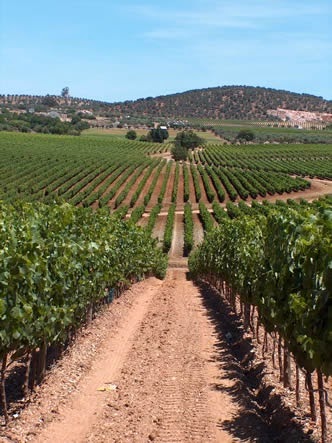 |
| Alentejo wine's country Image Credits |
But Portugal is not a country of varietal wines,
according to Portuguese Master of Wine, João Pires, what truly
counts here is the blend. Portugal
needs to bet on producing unique wines,
wines that have a personality and
that may not fall in a Robert Parker’s category constrains, but are still
great.
The wine market trend is to look
beyond these kinds of standardized wines,
“wine
connoisseurs and lovers want to
taste more of the dry and less
extracted wines” says the Portuguese Master
of Wine.
Portugal has to seizes this trend and take full advantage of its unique DNA and the capacity its wines
have of surprising the entire world.

